Flash cards might be the most debated piece of early learning equipment in existence. One camp swears they built their child's math brain; the other swears they turned learning into a chore. Both sides are right, because the flash card itself is neutral — it is entirely about how you use them.
Used as a fast, playful, five-minute game, flash cards are one of the most efficient learning tools a preschooler can have. Used as a rote drill with pressure to perform, they backfire. Here is what flash cards actually do for a developing brain, plus the games that bring out the best in them.
What Flash Cards Actually Build
Flash cards are not about rote memorization — at least not in the way most people imagine. Their real power is recognition speed. When a child sees 14 and instantly knows it, they have automated a retrieval that will free up brain power for higher math later. That automation is exactly what number fluency requires.
Flash cards also build confidence through mastery. A child who can reliably name a card feels smart, and that feeling makes them want more. The fast, correct, rewarding loop of a flash card game is friendly, confidence-building learning.
The Two Biggest Flash Card Mistakes
The fix for both is the same: keep it short, keep it fast, and let getting it wrong be a friendly step toward getting it right.
- Drilling too long. Past ten minutes, attention collapses and recall drops. Flash cards are a sprint, not a marathon.
- Making mistakes feel bad. Hesitation, wrong answers, or a frustrated parent creates a child who dreads the cards. The moment it stops feeling like a game, stop.
Five Flash Card Games That Actually Work
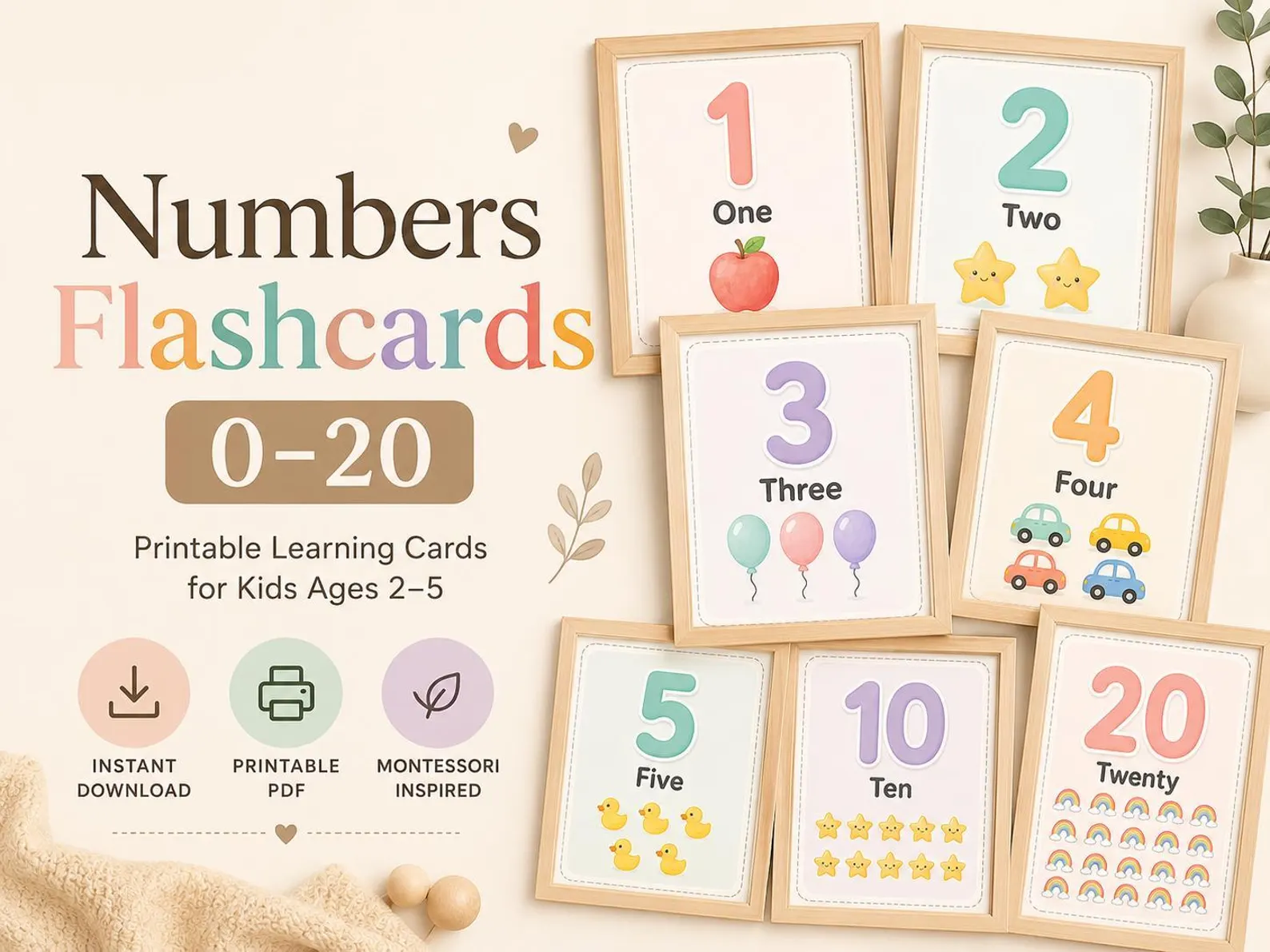
Here are five formats that keep flash cards fresh and effective, using the Numbers 1-20 Flash Cards Printable | Preschool Learning | Home Counting Activity | Toddler Math Flashcards | Kindergarten Printable | PDF set as an example.
| Game | How it works | Skill |
|---|---|---|
| Flash and name | Flip a card, say it fast, flip back | Recognition speed |
| Find the number | Call a number, child finds the card | Search and match |
| Missing number | Lay out a sequence, remove one, guess the gap | Sequencing |
| Higher wins | Each player flips; highest number takes the pair | Comparing quantities |
| Count the objects | Name the numeral, then count the card's objects | Symbol to quantity |
How Many Cards and How Often
Less is more. Start with five to ten cards and a game that lasts three to five minutes. Add cards as your child masters the current set, and always mix old favorites back in so they stay automatic.
As for frequency: a few times a week is plenty for preschoolers. The rhythm of a short, enjoyable game repeated often beats an intense weekly session. If your child asks for more, that is the sign you have found the right format.
Flash Cards Beyond Numbers
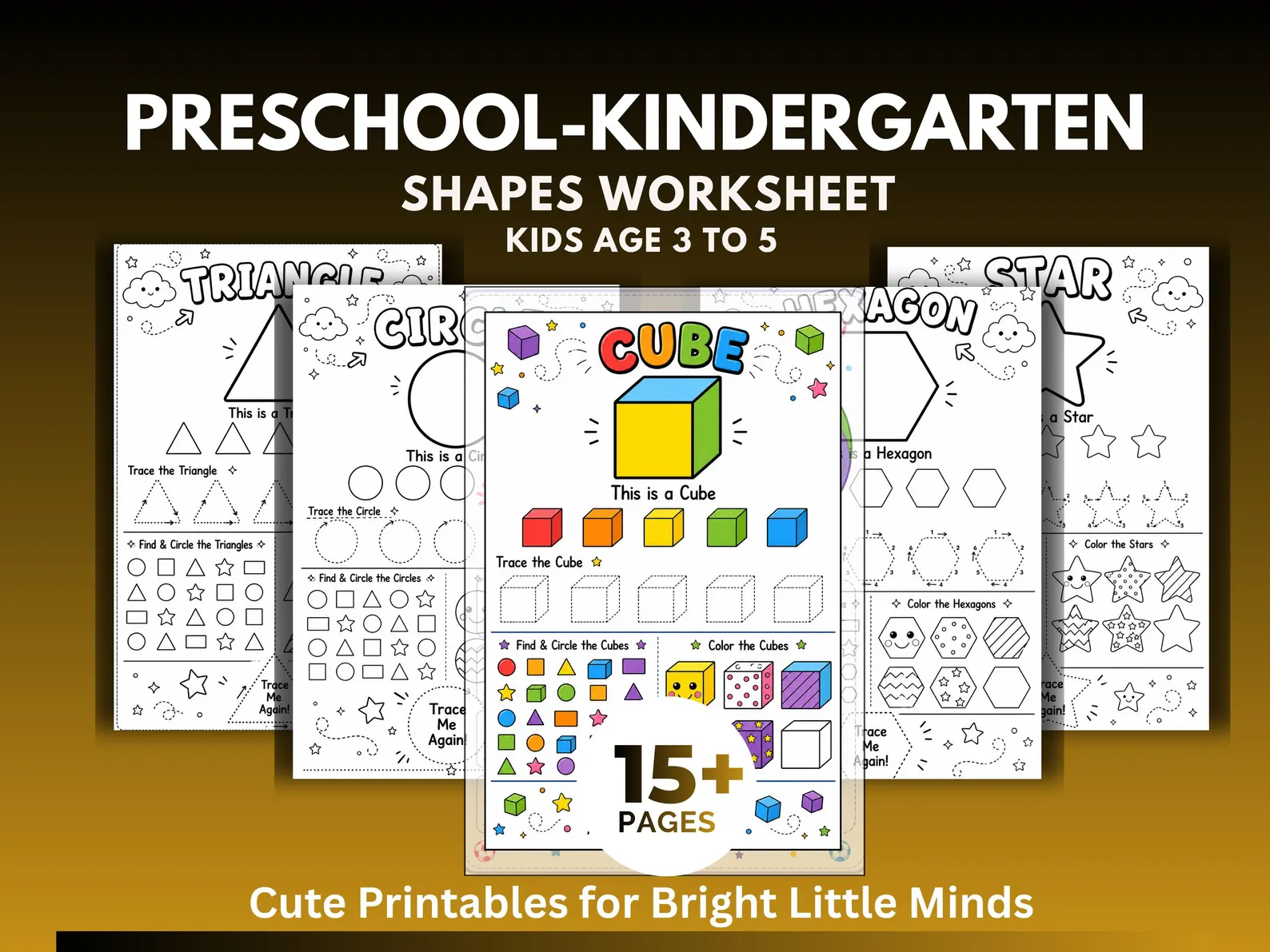
The same principles apply to any flash card set — letters, colors, shapes, or sight words. The rules are universal: small sets, fast games, frequent revisits, and zero pressure. Cards with a picture cue (like counting objects next to the numeral) help children self-check and make the card meaningful rather than abstract.
Combining Flash Cards With Hands-On Learning
Flash cards are at their best when they are not the whole lesson. After a fast flash card round, move to a hands-on activity: count real objects to match the card, write the number freehand, or sort cards into more-than and less-than piles. The cards deliver quick recognition; the hands-on work delivers understanding.
Browse the Flash Cards hub for more card-based ideas, and pair your number cards with Numbers activities and the Printable Product for a complete early math routine.
Frequently Asked Questions
At what age should kids start using flash cards?
Simple picture-based flash cards work from around age two, with numbers and letters following at three to four. The key at every age is keeping sessions to a few playful minutes and following the child's interest rather than forcing a daily drill.
Do flash cards help or hurt learning?
They help when used as short, playful recognition games and hurt when used as long, high-pressure drills. The tool is neutral; the method decides the outcome. Fast, frequent, pressure-free games build genuine fluency.
Are flash cards good for toddlers?
Toddlers benefit most from real objects and sensory play, but a few cards used as a game — "where's the dog?" — can be fun and vocabulary-boosting. Keep sessions to two or three minutes and never push.
How long should a flash card session last?
Three to five minutes for young children, stretching to ten for older ones. When attention fades, stop immediately. Short sessions repeated often are far more effective than long drills.
What should I look for in a good flash card set?
Large, clear, easy-to-read symbols; simple, uncluttered designs; and a picture cue that connects the symbol to its meaning. The number cards 1-20 with counting objects and soft pastel colors are a great example of a set that teaches through design.
The Bottom Line
Flash cards are neither magic nor evil — they are a fast, efficient recognition tool that shines in five-minute playful bursts. Keep the sets small, the games quick, and the atmosphere light, and they will build the fluency and confidence your child needs.
The Numbers 1-20 Flash Cards Printable | Preschool Learning | Home Counting Activity | Toddler Math Flashcards | Kindergarten Printable | PDF cards offer large numbers, counting objects, and a premium minimalist design — everything you need to start a five-minute number game tonight.
Related Reads
Keep exploring with these helpful guides: