Alphabet activities for preschool have a funny habit: the best ones do not look like learning at all. A child hopping on letter tiles, fishing for letters with a magnet, or finding their name hidden in a sensory bin is doing serious early literacy work while having the time of their life.
This roundup collects thirty activities that build real letter skills — recognition, formation, and sounds — sorted by the kind of play they suit. Use a few favorites daily and rotate the rest, and your preschooler's letter knowledge will grow without a single worksheet battle.
The Five Letter Skills Worth Building
Not all alphabet play is equal. Before you scroll through activities, here is what actually matters in the preschool years: recognizing letter shapes, naming letters, connecting sounds to letters, forming letters (loosely, at this age), and building a love of print. Everything in this list targets at least one of those five.
Active Alphabet Games (Energy-Burning)
For children who can barely sit still, these get the wiggles out while letters go in.
- Letter Hop — call a letter, child hops to it on the floor.
- Alphabet Freeze Dance — dance, freeze, then name the letter card you're holding.
- Letter Rescue — scatter letters across the yard, rescue only the day's letter.
- Alphabet Yoga — form letters with your body (A is easy, S is a challenge).
- Musical Letters — like musical chairs, but land on a letter and name it.
- Letter Hunt Races — race to find each letter of your name in order.
- Simon Says Letters — "Simon says touch the M!"
- Alphabet Basketball — toss a ball into a bin labeled with a letter.
Sensory Alphabet Activities (Messy and Magical)
Sensory play wires letter shapes into the brain through touch, which is exactly how young children learn best.
- Salt tray tracing — write letters in a shallow tray of salt.
- Shaving cream letters — spread it on the table, write, smooth, repeat.
- Play-doh letter snakes — roll and bend into letter shapes.
- Sensory bin letters — bury magnetic letters in rice, dig them out and name them.
- Sandpaper letters — trace the bumpy surface for a tactile memory of the shape.
- Alphabet soup — scoop foam letters out of a water bin with a ladle.
Tabletop Alphabet Games (Quiet and Focused)
These calm, focused activities are perfect for the kitchen table, quiet time, or a rainy afternoon.
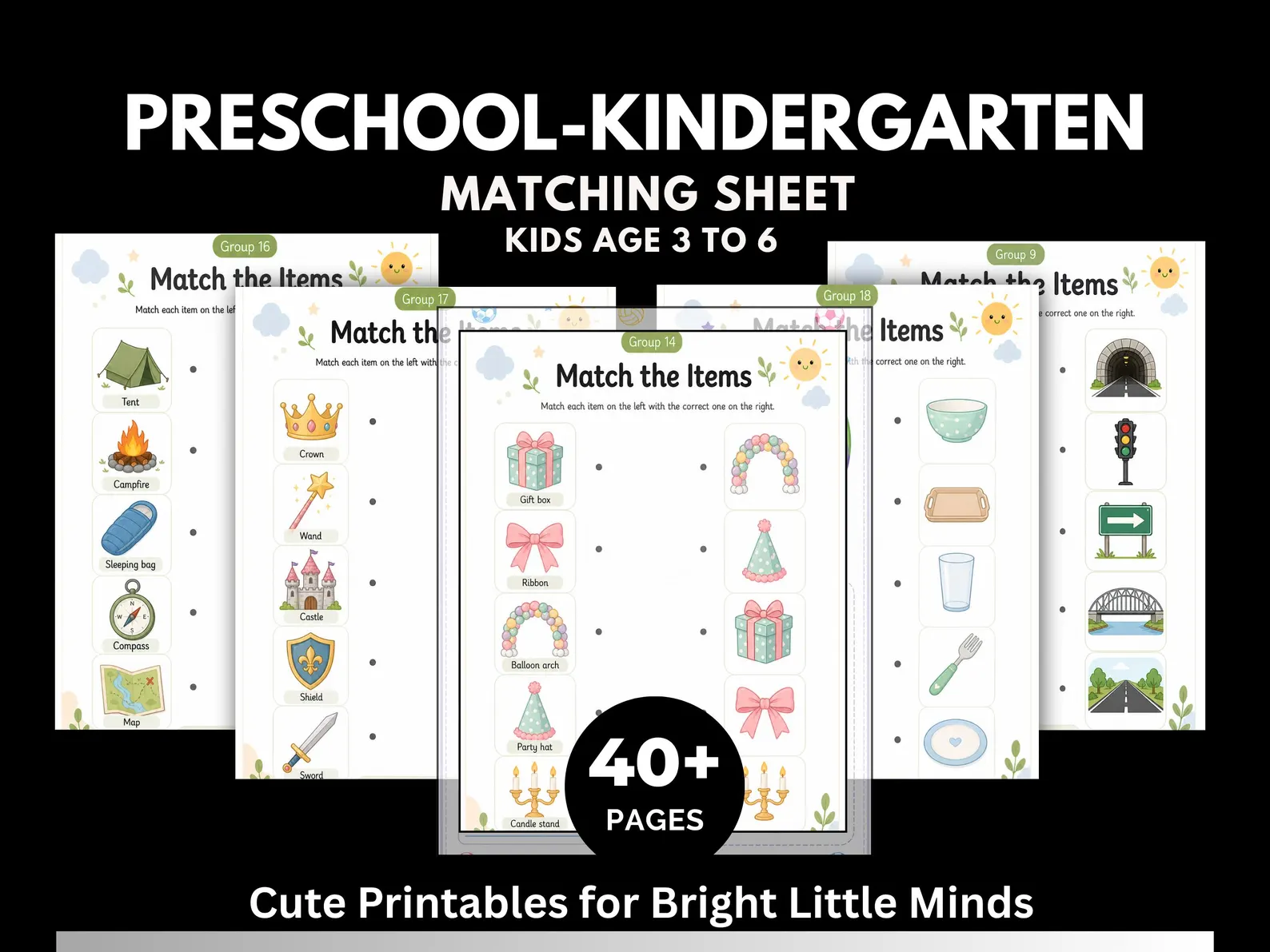
- Letter matching — match uppercase to lowercase pairs.
- Alphabet memory — the classic card game, but with letters.
- Letter lacing — lace string through holes in cardboard letters.
- Alphabet sorting — sort objects into baskets by starting letter.
- Letter pattern blocks — build letters from craft sticks and shapes.
- Magnetic letters on a cookie sheet — arrange in order, then find the missing one.
- Letter wipe-off boards — trace letters with dry-erase markers.
Printable Alphabet Activities (Print Once, Use Forever)
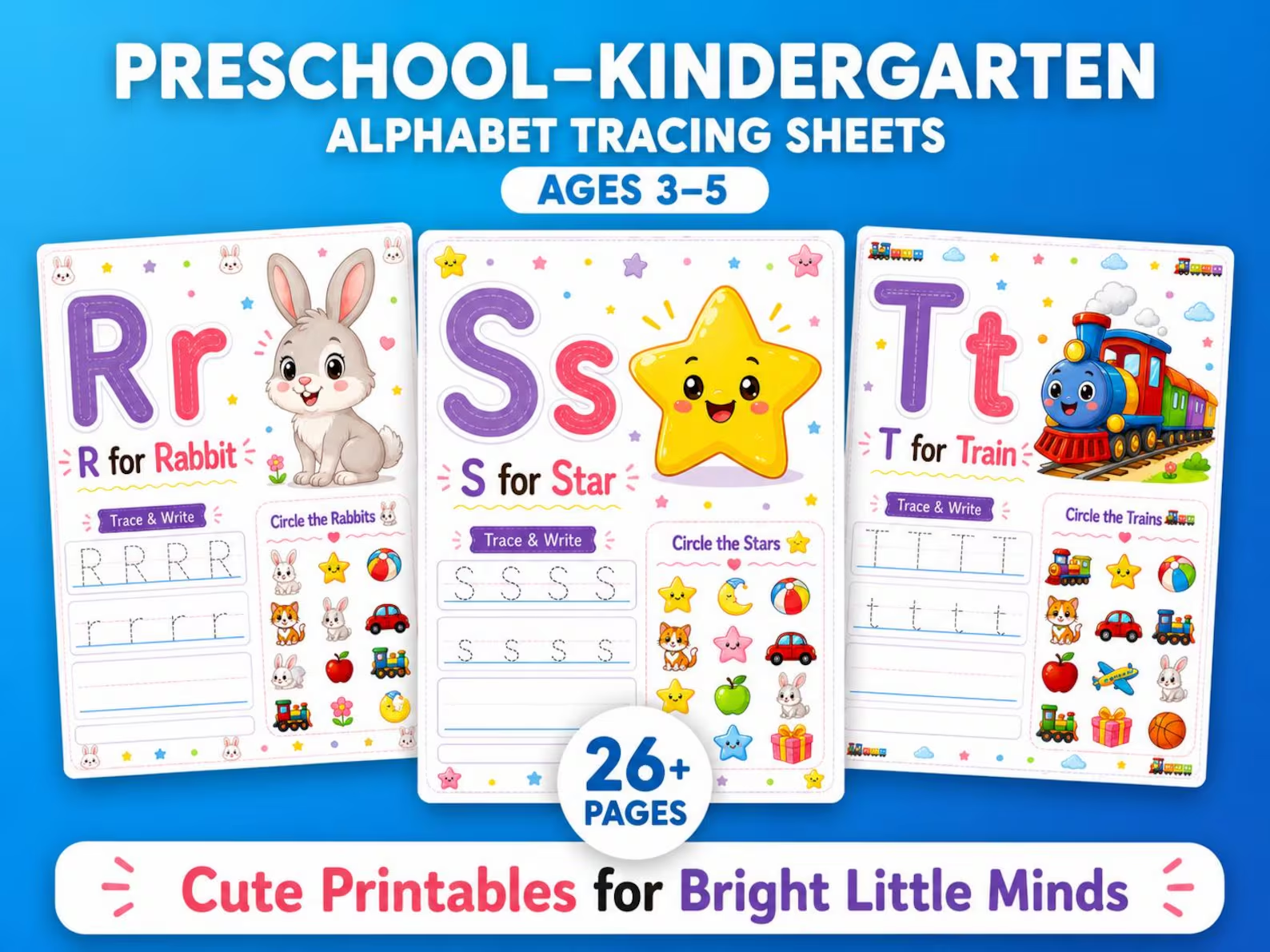
For a ready-made printable set covering recognition, formation, and cute illustrations, the Alphabet Tracing Worksheets A–Z Printable | Preschool & Kindergarten Letter Tracing Practice | ABC Handwriting Activity for Kids | Dat It pack is a solid foundation to build your collection around.
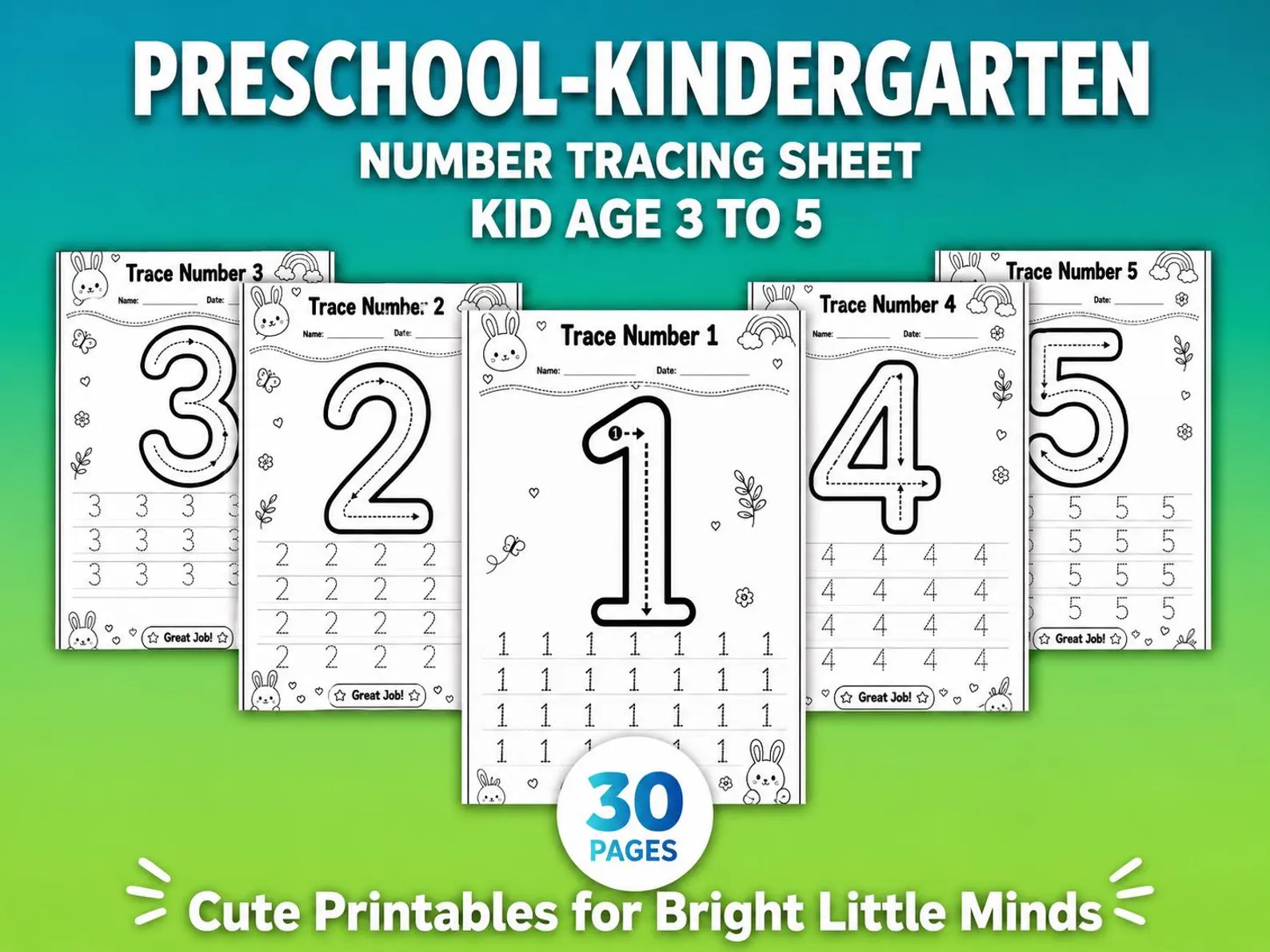
- Tracing worksheets — the bread and butter of letter formation practice.
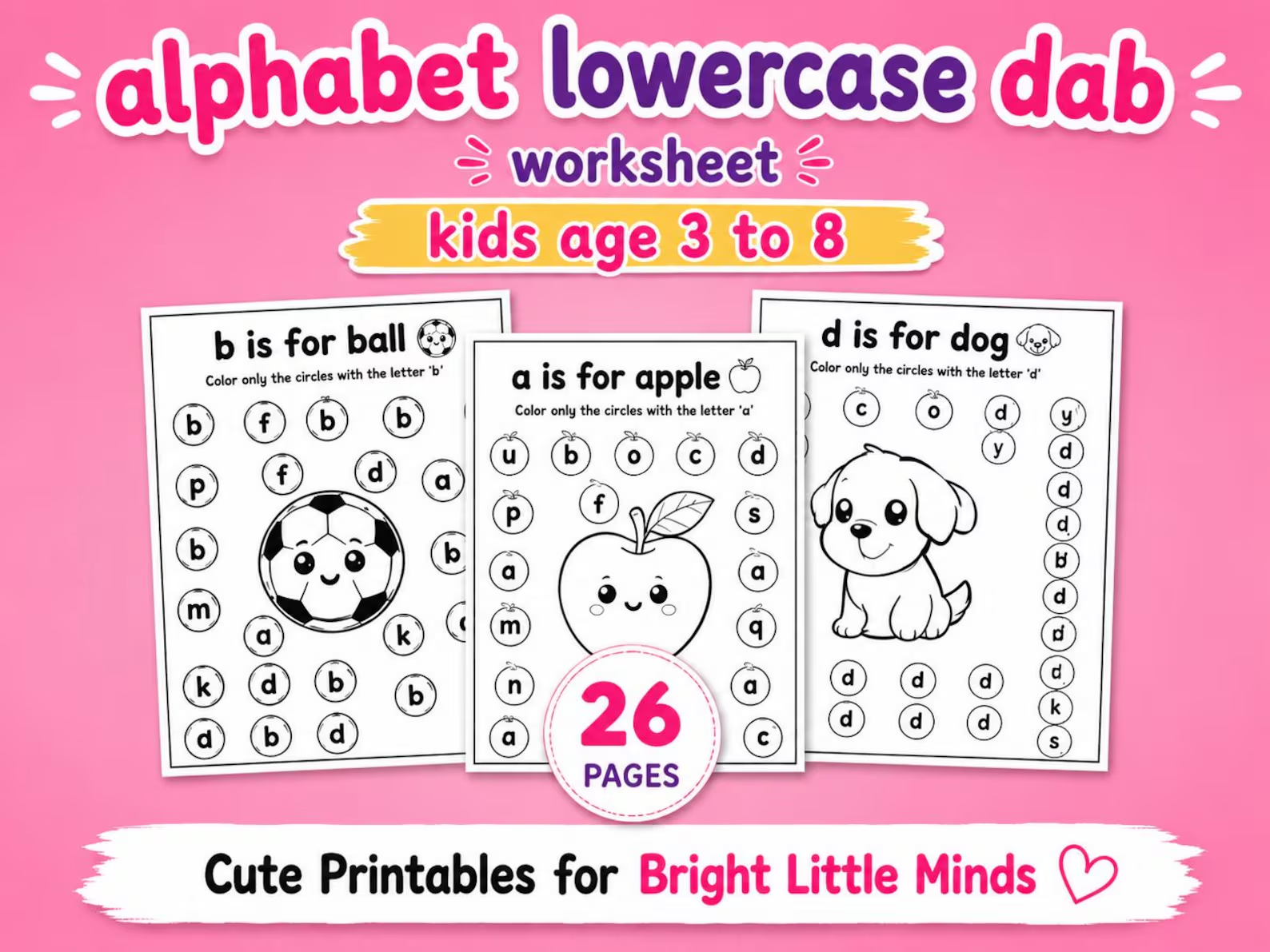
- Dot marker letter pages — dab inside the outline of each letter.
- Letter of the day posters — a big letter to color, trace, and decorate.
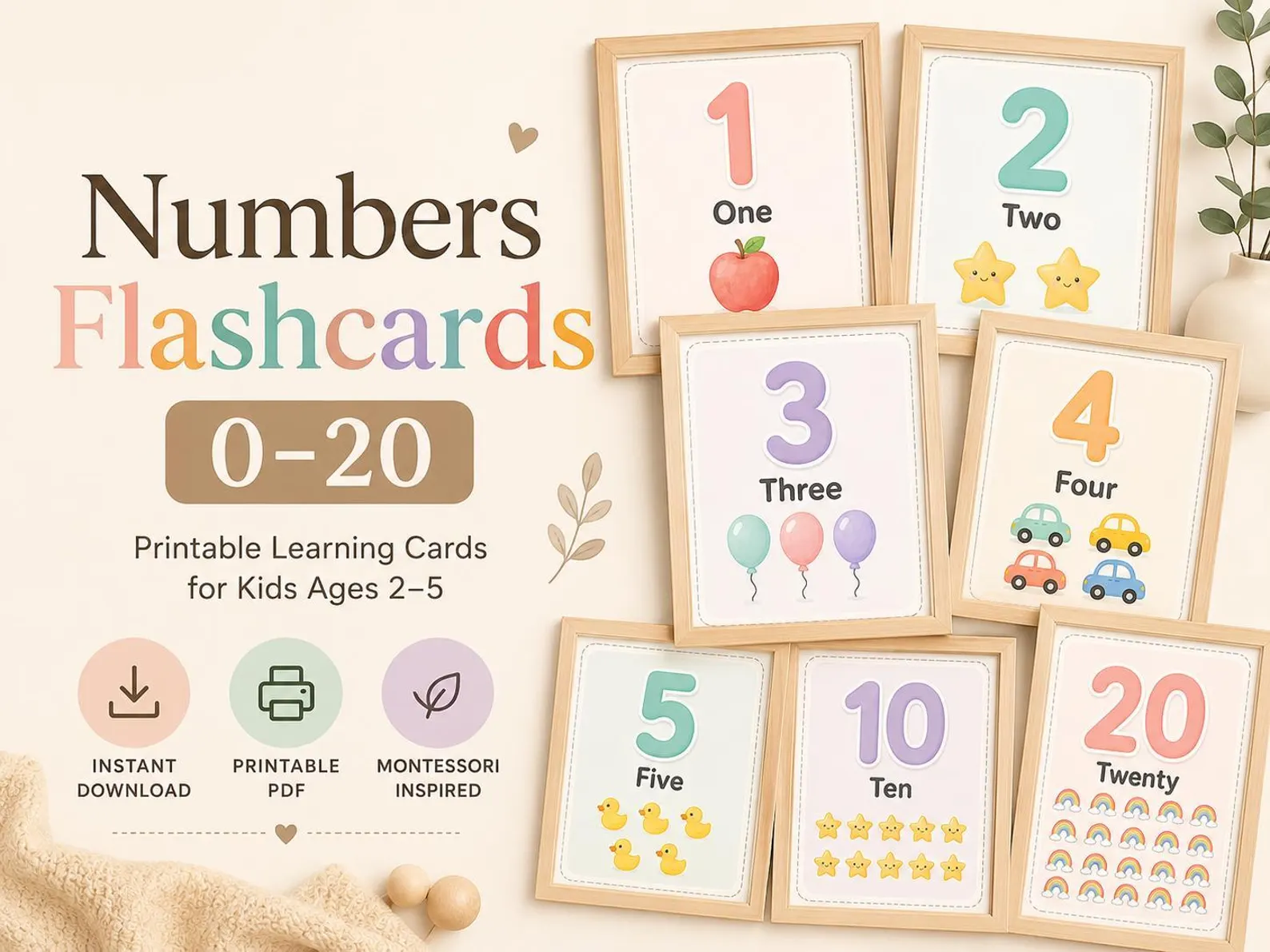
- Alphabet flashcards — quick review games, sorting, and matching.
- Letter hunt worksheets — find and circle the target letter in a sea of letters.
- Trace-and-write strips — dotted letter, then blank space to write it yourself.
Letter Sounds and Phonics Activities
Once your child knows the shapes, the sounds are next. These activities make the connection concrete.
- Sound of the day — one letter's sound, all day, everywhere you go.
- I Spy — "I spy with my little eye something that starts with /b/."
- Letter sound books — one page per letter, one object per page.
- Beginning sound sorting — pictures into boxes by their first sound.
- Alphabet song with emphasis — slow the song down and stretch the sounds.
- Letter action cards — each letter gets a motion that starts with it.
How to Organize an Alphabet Rotation
A simple weekly rhythm keeps alphabet learning fresh without burning you out. Pick one new letter per week, display it prominently, and fold it into everything: trace it on Monday, dab it on Tuesday, hunt it on Wednesday, sound it on Thursday, and celebrate it on Friday with a letter-specific game.
Rotate one activity from each category above across the week. You will cover active, sensory, tabletop, printable, and phonics styles — and there will always be at least one activity your child loves. More alphabet ideas live on our Alphabet hub, and Preschool Learning tips cover everything else that makes the early years count.
Frequently Asked Questions
How many letters should a preschooler learn at once?
A "letter of the week" approach works well for most children — one letter per week, folded into many small activities rather than one long lesson. If your child is ready for more, you can accelerate to a letter every few days; if they need more repetition, stretch it to two weeks.
What is the most effective way to teach the alphabet?
The most effective approach combines many short exposures: letter name, letter sound, letter shape, and a word that starts with the letter, revisited across different activities. Single, varied, frequent exposures beat long, repetitive drills.
Should alphabet learning be multisensory?
Yes. Children learn letters best when they see them, say them, trace them, and build them. Multisensory practice creates more connections in the brain and makes the letters much harder to forget. That is why sensory and active games work so well.
What if my child skips letters or mixes them up?
Completely normal. Mixing up b/d and p/q is common until age seven. Slow down, focus on one letter at a time, use memory anchors, and avoid heavy correction. Patience and repetition resolve most letter mix-ups on their own.
How can I tell if my child is ready for alphabet worksheets?
Your child is ready when they can sit for a few minutes, hold a writing tool comfortably, and show interest in letters. If tracing pages cause meltdowns, go back to sensory and gross-motor letter play for a few weeks and try again.
The Bottom Line
The best alphabet activities are the ones your child will happily repeat. Mix active games, sensory play, tabletop challenges, and printables, keep the pace gentle, and let letters weave through your daily life rather than standing apart from it.
Build your printable collection around the Alphabet Tracing Worksheets A–Z Printable | Preschool & Kindergarten Letter Tracing Practice | ABC Handwriting Activity for Kids | Dat It set, then fill in the gaps with your child's favorite games from this list. Consistent, playful, multisensory practice is the whole secret.
Related Reads
Keep exploring with these helpful guides: