Every parent of a preschooler has watched their child hold a pencil like a fistful of spaghetti and wondered when it will click. The answer is usually hiding in plain sight: the hand strength and coordination that pencil control needs are built through play long before a pencil ever touches paper.
Fine motor skills — the small movements of hands, fingers, and wrists — develop through squeezing, pinching, tearing, threading, and yes, tracing. Here are twenty activities that build them, organized by the skills they target, so you can pick the right one for right now.
Why Fine Motor Skills Matter Before Writing
Handwriting is a fine motor skill, full stop. A child cannot write comfortably until their hand has the strength to grip, the precision to aim, and the endurance to keep going. The good news is that those three components are developed by everyday play — you just have to know which play builds what.
Think of fine motor development as a pyramid: hand strength at the base, coordination in the middle, and pencil control at the top. You cannot build the top without the base, which is why tracing and pre-writing pages work best on top of a strong play foundation.
Hand Strength Builders (The Foundation)
These activities strengthen the small muscles of the hand and fingers — the base of the pyramid.
- Play-doh — rolling, pinching, and squishing builds grip strength.
- Squeezing toys — squirt bottles, stress balls, and sponges.
- Tearing paper — tearing strips and shapes for crafts.
- Using tongs and tweezers — transferring pom-poms and cotton balls.
- Popping bubble wrap — irresistible and perfect for thumb strength.
- Opening containers — jars, bottles, and twist-top lids.
Pinch and Precision Builders (The Middle)
The pincer grip — thumb and index finger — is the same grip that holds a pencil. Build it with tiny, satisfying challenges.
- Picking up small objects — beads, cereal, and pasta with a pincer grip.
- Peeling stickers — the ultimate pinch practice.
- Threading beads onto string or pipe cleaners.
- Using clothespins — clip them onto a line or a cup edge.
- Finger painting with one finger at a time.
- Putting coins or buttons through a slot.
Tracing and Pre-Writing (The Top)
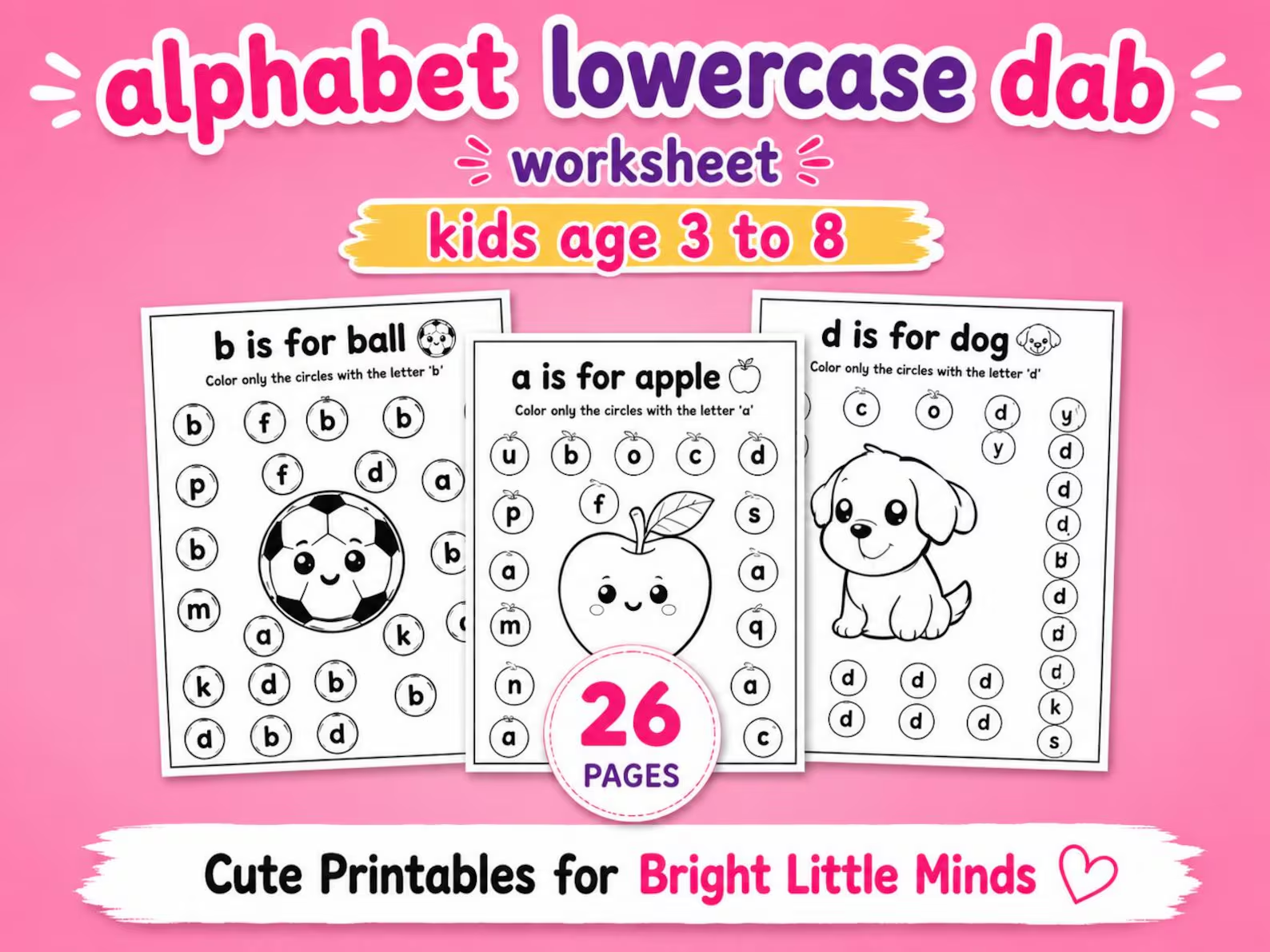
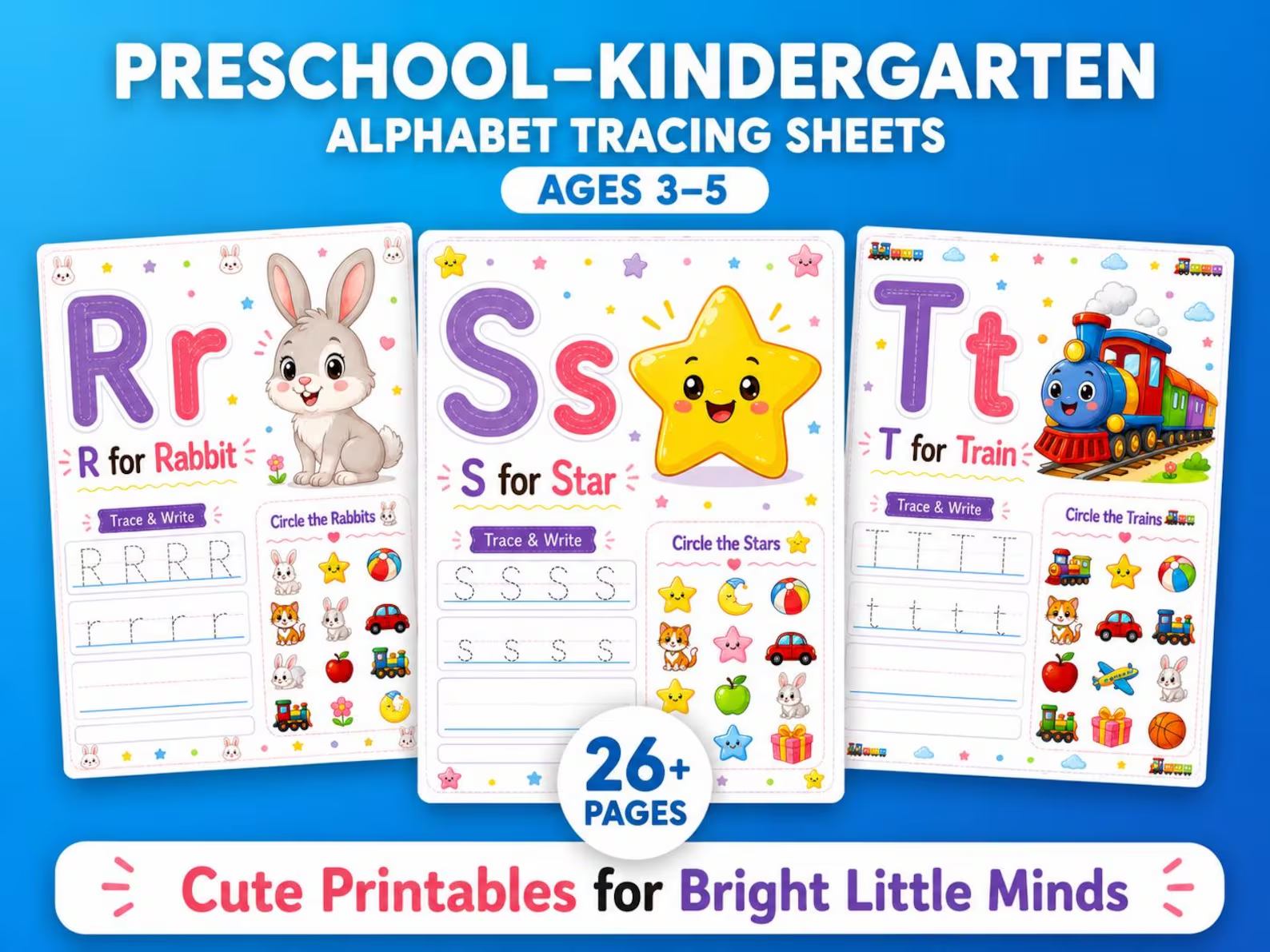
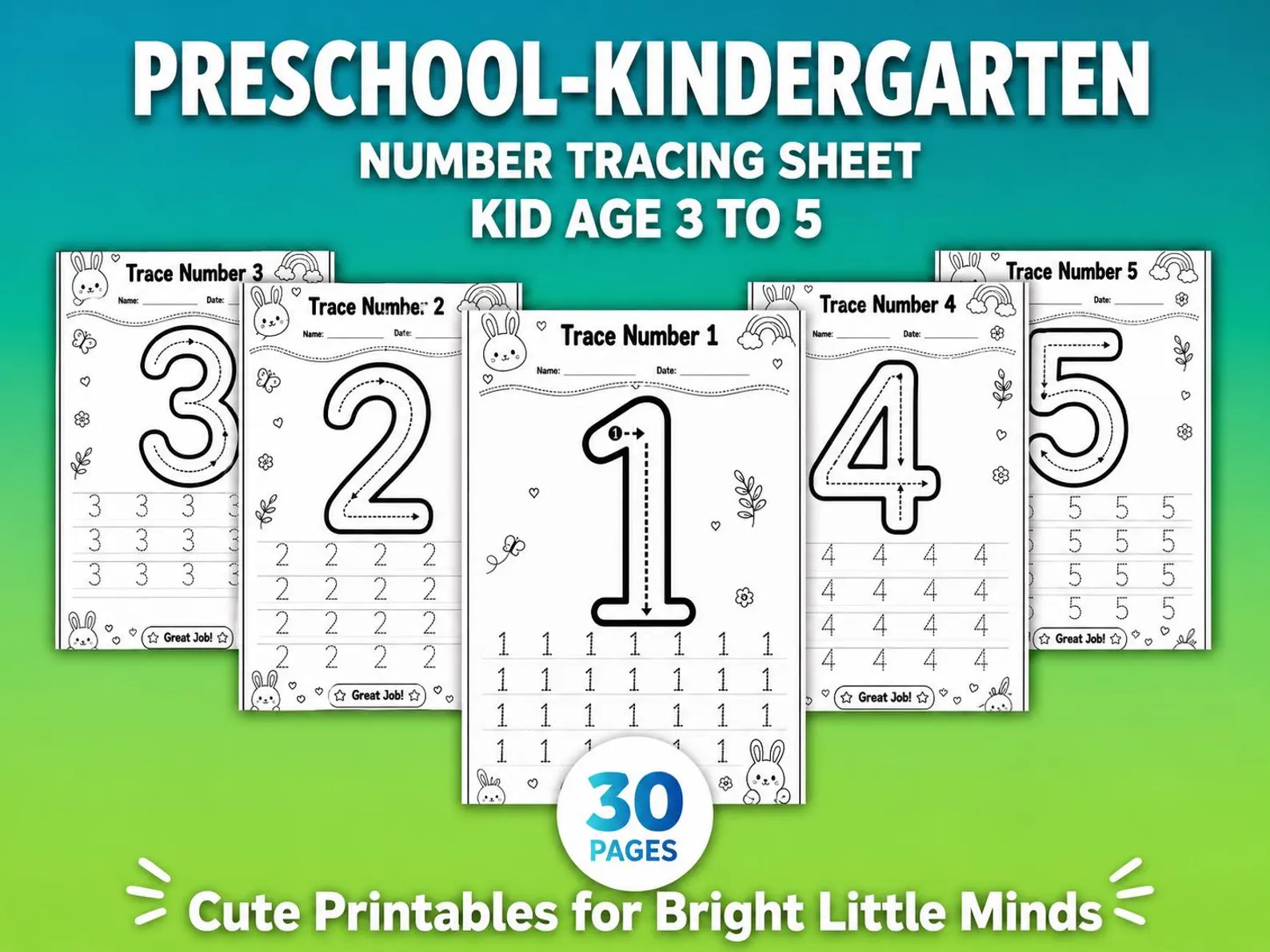
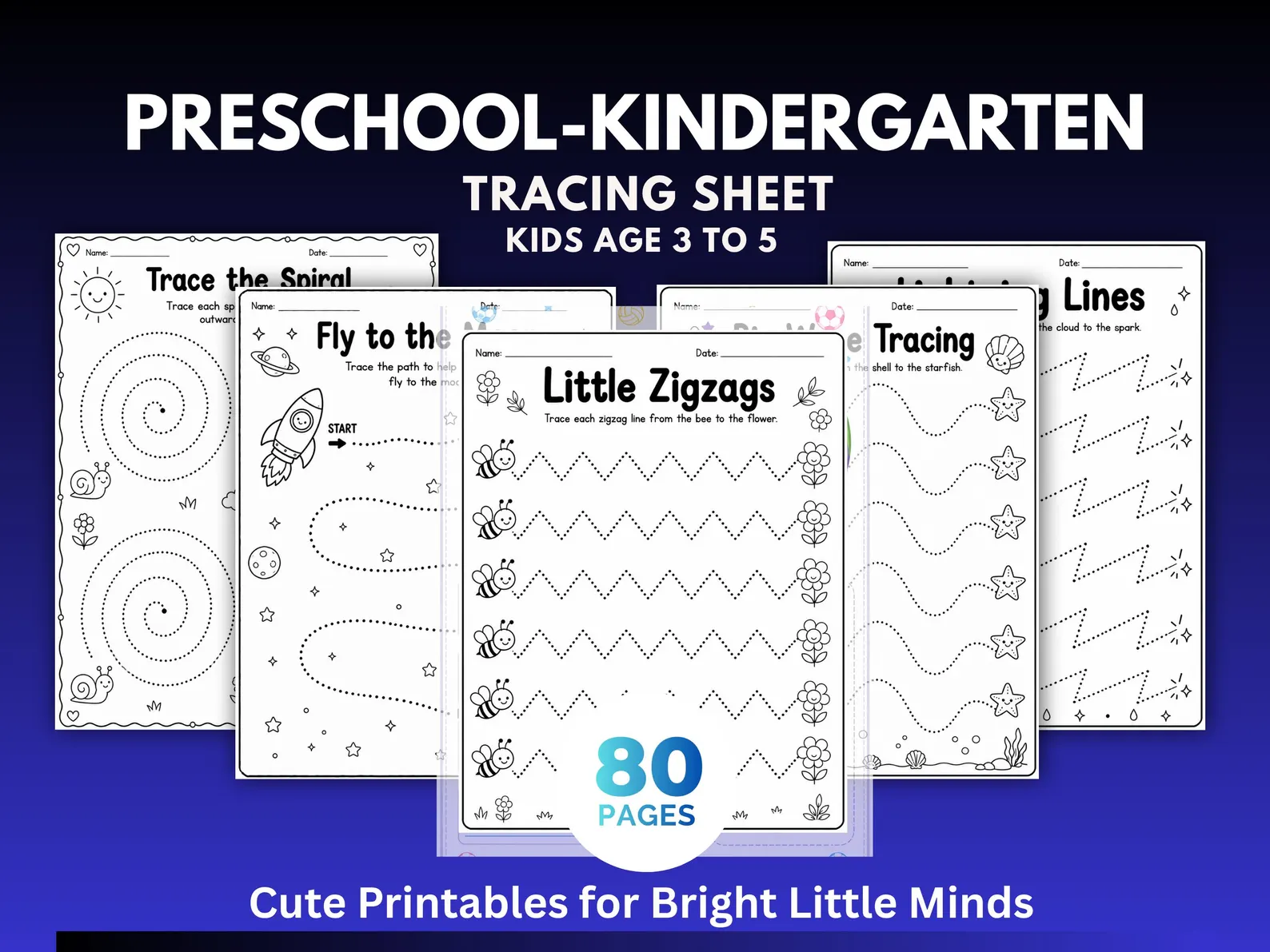
Once hand strength and precision are growing, add the actual pre-writing work. This is where the Tracing Lines Worksheets Bundle, Preschool Printable PDF, Kindergarten Curriculum Learning, Pre Handwriting, Digital Download and similar printable activities come in — they translate hand strength into pencil control.
- Tracing lines, curves, and zigzags on paper.
- Tracing dotted paths and simple mazes.
- Connecting dots to complete pictures.
- Drawing on vertical surfaces (easels and chalkboards) — this strengthens the wrist naturally.
- Practicing patterns: line, dot, line, dot.
Everyday Play That Builds Fine Motor Skills
Not every activity needs special materials. Some of the best fine motor work hides in ordinary routines.
- Helping with cooking — stirring, pouring, rolling dough.
- Putting on shoes and buttoning coats.
- Zipping, snapping, and buckling (even on toys).
- Watering plants with a small squeeze bottle.
- Sorting laundry into piles.
- Drawing with sidewalk chalk on the driveway.
A Simple Weekly Fine Motor Plan
You do not need a schedule for this, but if you want structure, here is a rhythm that covers all three layers in a week.
| Day | Focus | Example |
|---|---|---|
| Monday | Hand strength | Play-doh creations or tong transfer |
| Tuesday | Precision | Sticker peeling and bead threading |
| Wednesday | Pre-writing | Tracing lines or path worksheets |
| Thursday | Sensory | Salt tray or sand drawing |
| Friday | Free choice | Let your child pick their favorite |
Signs Fine Motor Skills Are Ready for Writing
When your child can pick up small objects with a pincer grip, hold a marker with three fingers, trace a simple line with some control, and stay engaged for five minutes of hand play, writing readiness is close. Introduce letter tracing from there and it will feel like a natural next step, not a struggle.
Keep more ideas close by on the Fine Motor Skills hub, and pair your play with Tracing pages whenever your child wants "real" writing practice.
Frequently Asked Questions
What are fine motor skills?
Fine motor skills are the small movements of the hands, fingers, wrists, and sometimes feet — the coordinated actions like pinching, gripping, threading, and writing. They are distinct from gross motor skills like running and jumping and develop throughout early childhood.
At what age should children develop fine motor skills?
Fine motor development begins in infancy and continues through the school years. The preschool years (3-5) are the peak window for the hand strength and precision that writing needs, which is why pre-writing play is so emphasized at this age.
How can I tell if my child's fine motor skills are behind?
Look for struggles with age-typical tasks: difficulty holding crayons, avoiding puzzles or beads, trouble with buttons and zippers, or visible frustration during drawing. If you notice a persistent pattern, talk to your pediatrician — early support works well.
Do fine motor skills predict reading and writing success?
Research links fine motor skills to early writing and even reading readiness, partly because handwriting practice strengthens the very brain circuits used for letter recognition. Building hand skills early supports literacy broadly, not just penmanship.
How much fine motor practice do preschoolers need?
There is no minimum, but daily small doses matter. Ten to fifteen minutes of mixed play — squeezing, pinching, threading, and tracing — spread across the day is plenty. Consistency and fun beat intensity every time.
The Bottom Line
Fine motor skills are built with squeeze, pinch, and trace — and every one of those is a game your preschooler will play happily. Build the foundation with messy play, layer on precision with tiny tasks, and top it off with pre-writing pages when your child is ready.
The Tracing Lines Worksheets Bundle, Preschool Printable PDF, Kindergarten Curriculum Learning, Pre Handwriting, Digital Download set is the perfect bridge from fine motor play to real writing, turning hand strength into confident, steady strokes.
Related Reads
Keep exploring with these helpful guides: