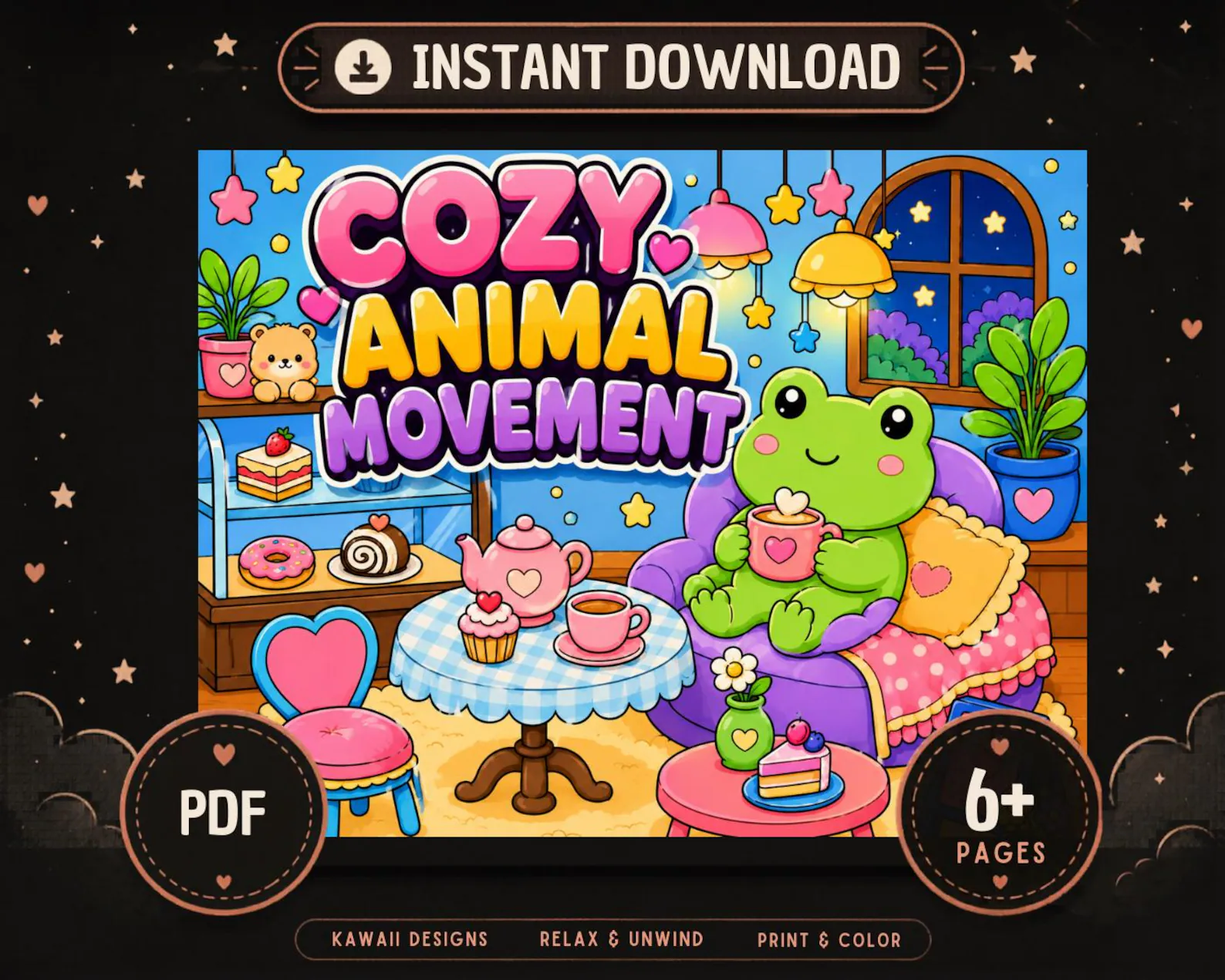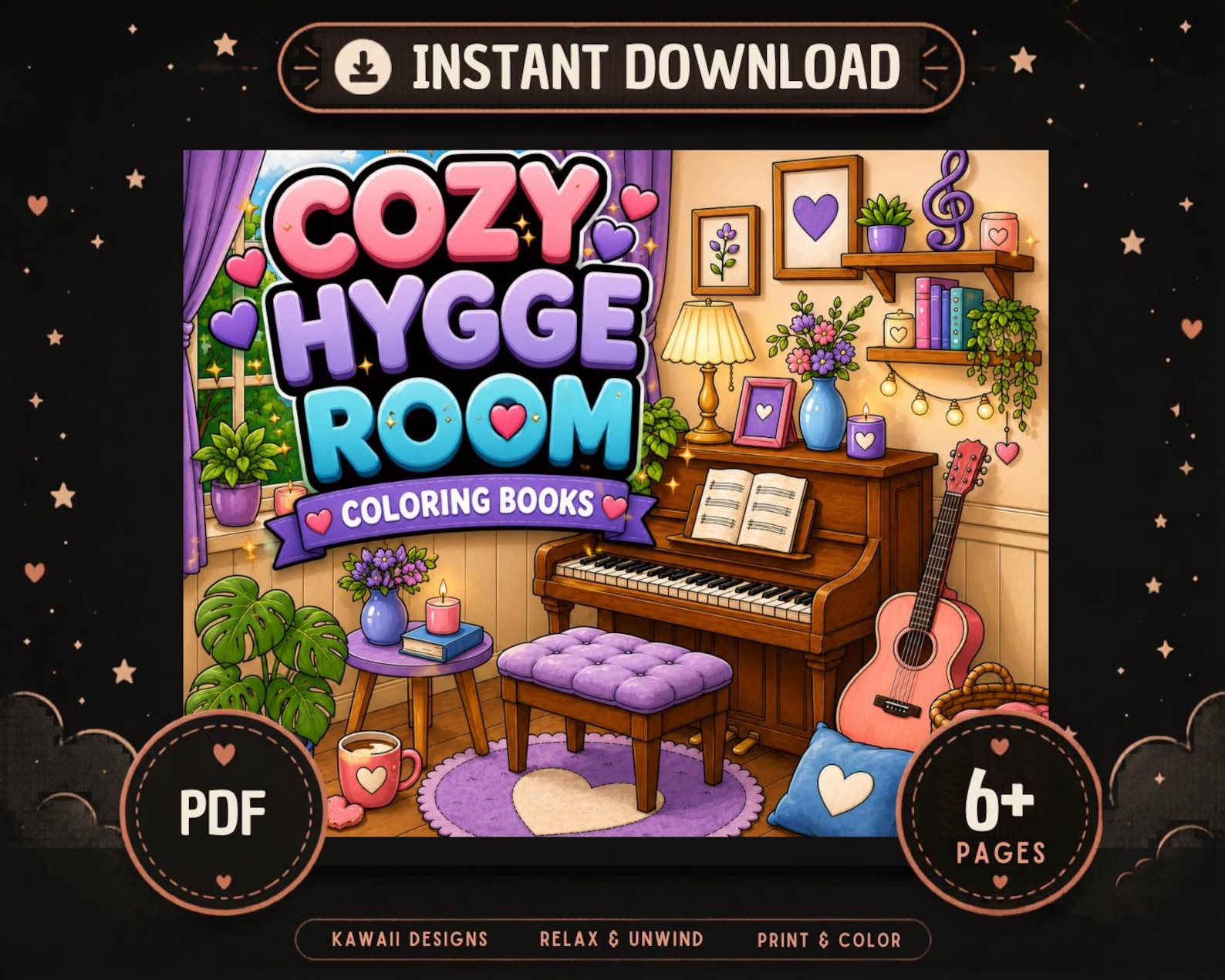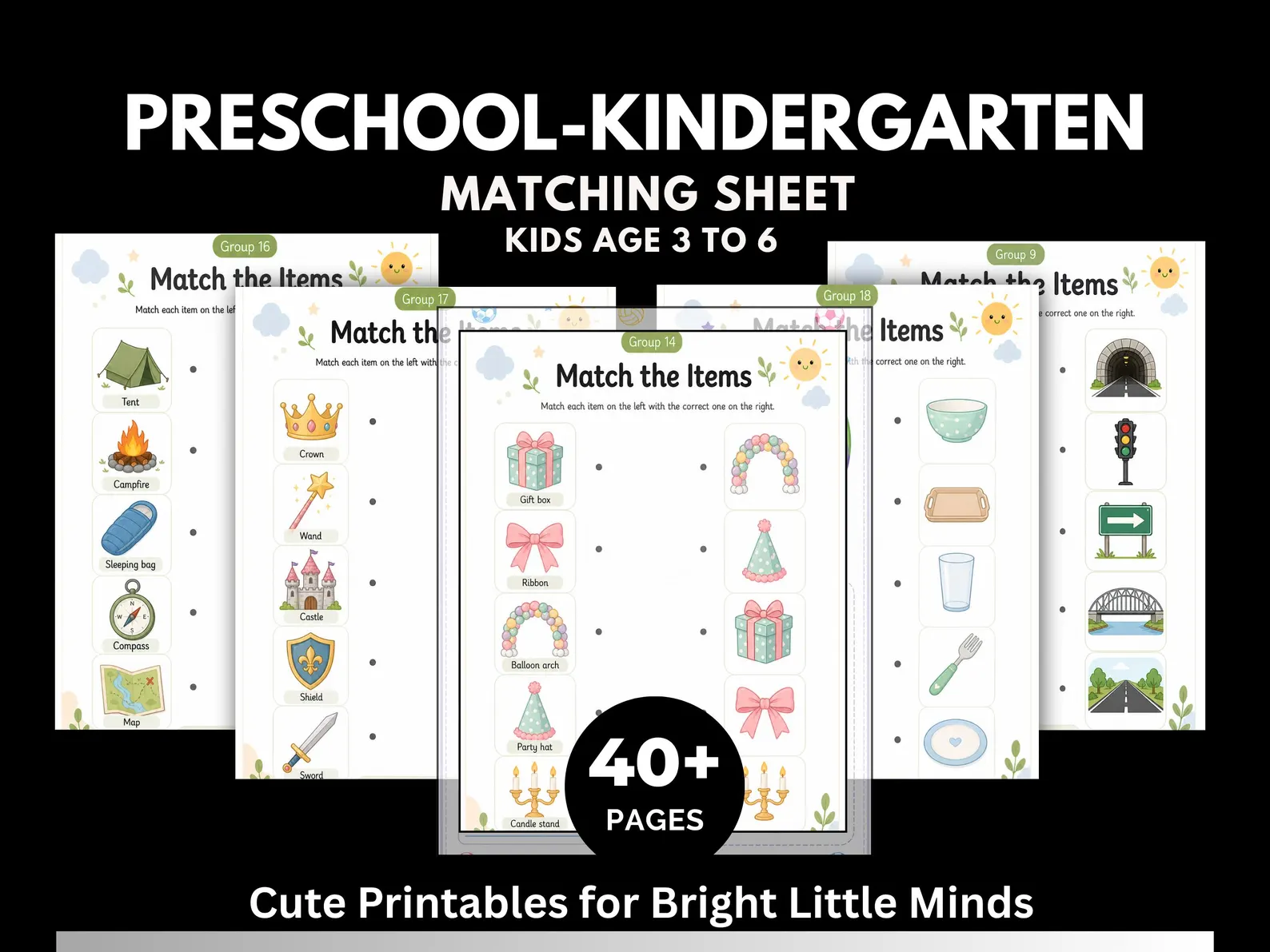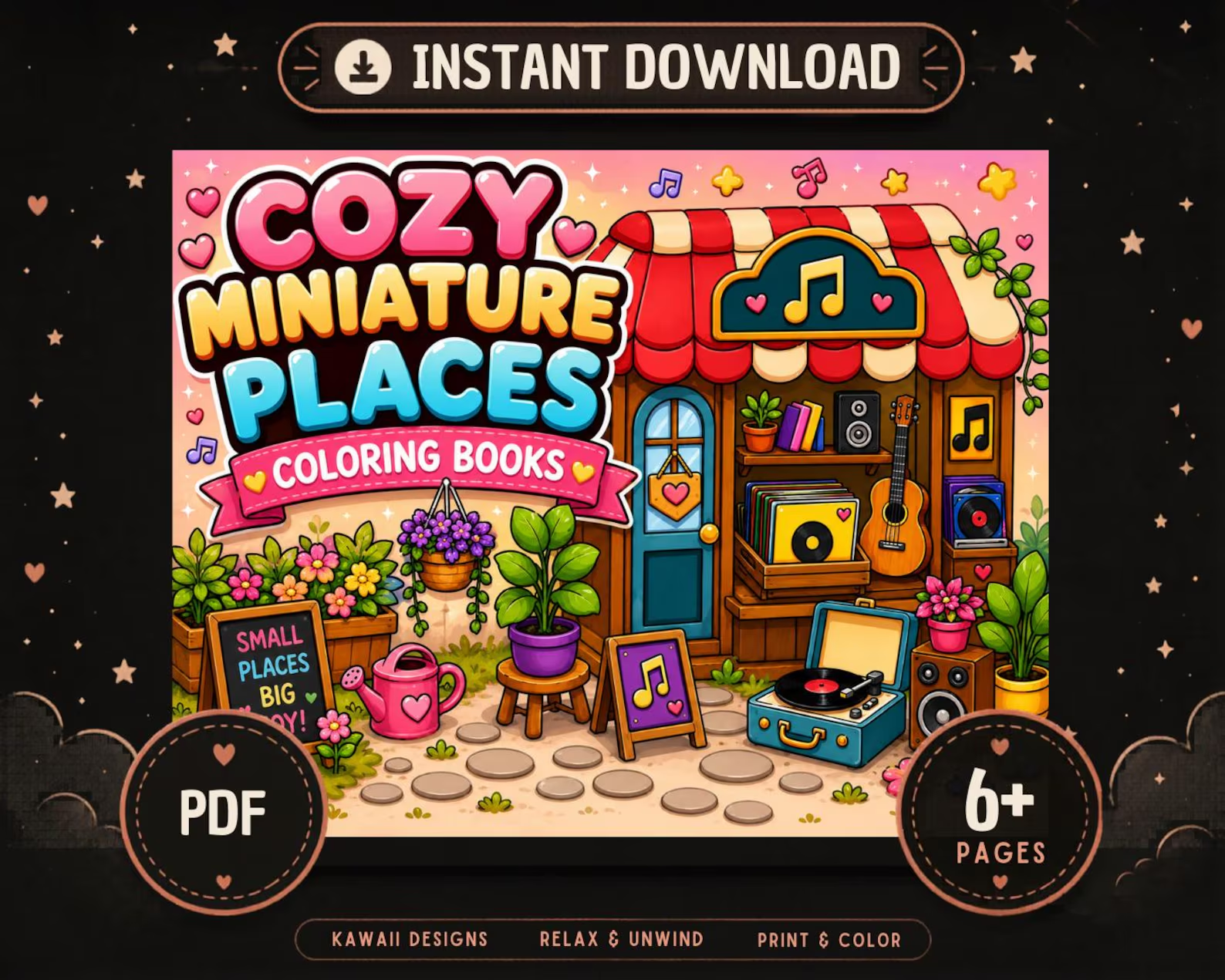
Coloring books have a reputation problem. Many parents treat them as a pleasant way to pass the time; many adults consider them a guilty pleasure. But coloring is one of the most scientifically underrated activities we have — a single tool that builds motor skills, trains focus, and lowers stress, for both a four-year-old and a forty-year-old.
In this article we unpack what coloring actually does to a developing brain and an adult nervous system, and how to choose coloring books that deliver real benefits instead of just filling time.
What Coloring Does for Children
For kids, coloring is not a break from learning — it is learning. The act of staying inside a line, choosing a color, and controlling the crayon is a bundle of developmental work disguised as play.
- Fine motor control — the small hand muscles and grip that handwriting depends on.
- Hand-eye coordination — the eye guiding the hand along a path.
- Color recognition — naming, mixing, and matching colors.
- Focus and patience — completing a page is a genuine attention workout.
- Creativity and confidence — choices made and pages finished, all their own.
What Coloring Does for Adults
The adult benefits are just as real, and they are why the adult coloring trend never really faded. Coloring engages the brain in a calm, repetitive, focused activity that has measurable effects on stress and mood.
- Stress reduction — coloring lowers cortisol and invites a relaxed, meditative state.
- Mindfulness — the single-focus nature of coloring works like a gentle meditation.
- Digital detox — an hour with paper instead of a screen.
- Creative outlet — low-pressure artistic expression with no skill required.
- Sleep readiness — a calm, screen-free wind-down before bed.
The Cozy Coloring Aesthetic (Why It Works So Well)
Not all coloring books are equal. The ones that deliver the deepest calm share a style: thick, bold outlines that are easy to fill; soft, cute subjects that feel safe and comforting; and scenes that invite you into a small, pleasant world. The cozy aesthetic — think cute pastries, warm rooms, and kawaii animals — taps into a sense of safety that makes the relaxation effect stronger.
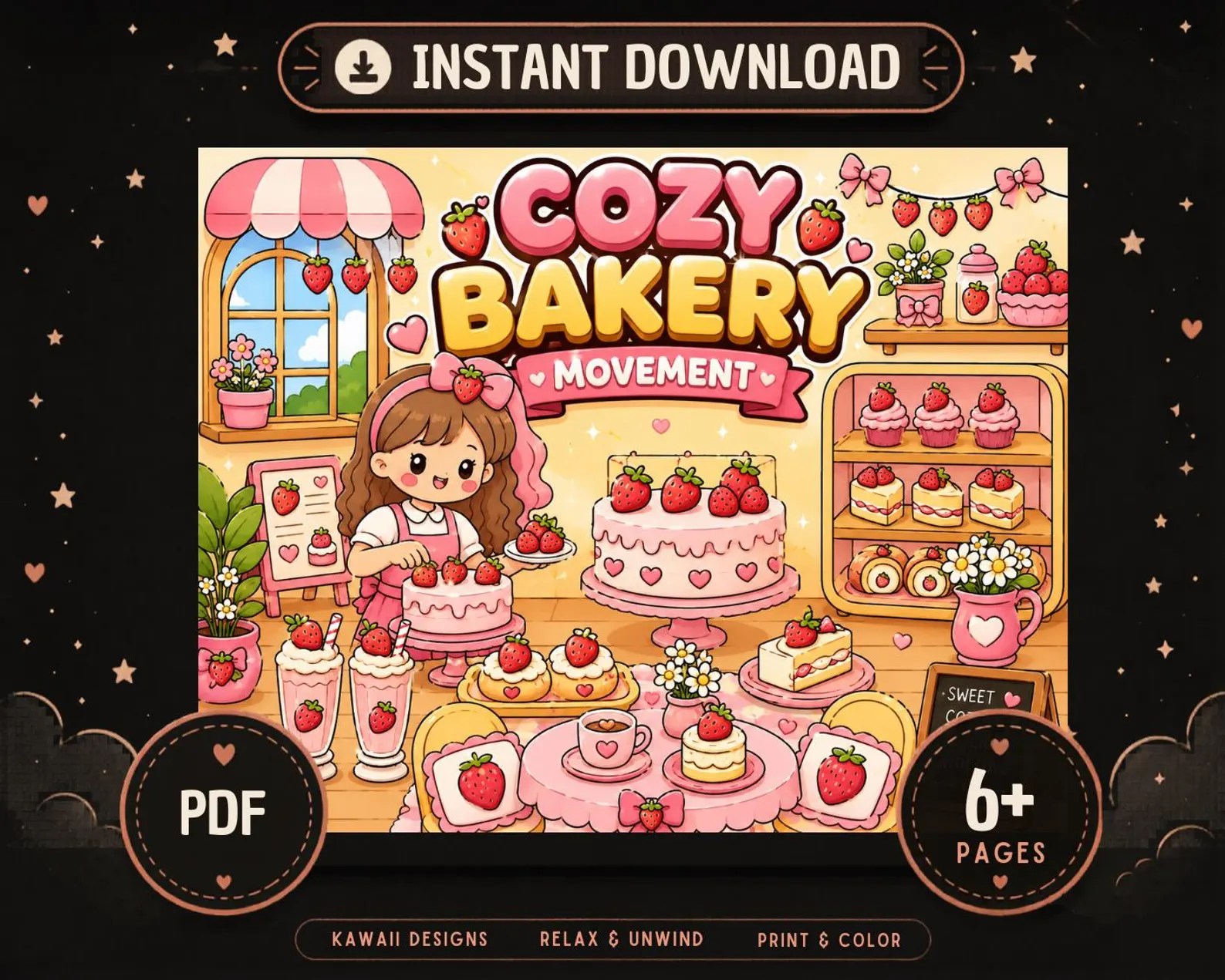
The Cozy Bakery Coloring Book, Kawaii Dessert Pages, Relaxing Activity (PDF Download) is a perfect example: six cozy bakery scenes with clean, bold line art, sized for A4 and US letter, ready to print at home.
How to Make Coloring a Real Habit
The golden rule for both: no perfectionism. The pages are not a test of coloring skill — they are a tool for calm and for hand development. Wobbly lines and un-pretty choices are the whole point.
| For kids | For adults |
|---|---|
| Five minutes before lunch | Ten minutes with morning coffee |
| A page a day after quiet time | An hour on weekend afternoons |
| Coloring alongside you | A shared table, two coloring books |
| Crayons and markers for grip variety | Fine-tip pens for intricate spaces |
Coloring and Fine Motor Development in Kids
For preschool children especially, coloring is a front-line fine motor activity. Staying inside bold outlines, pressing with just the right pressure, and moving the hand in controlled directions all build the muscles and coordination that later drive handwriting. Kids who color regularly often show smoother pencil control when formal writing begins.
Pair coloring with Fine Motor Skills practice like tracing and play-doh for a complete hand-development routine.
Choosing the Right Coloring Book
A great coloring book matches the user. For young kids, pick thick outlines, large spaces, and familiar subjects — and print fresh pages whenever they want more. For adults and teens, look for detailed but not overwhelming scenes, quality print resolution, and a theme that genuinely appeals: bakery, rooms, fashion, animals, or mermaids.
Browse the Coloring Books hub to compare cozy and kawaii themes and find the style that fits your calm.
Frequently Asked Questions
Are coloring books actually good for adults?
Yes. Coloring engages the brain in a calm, focused, repetitive activity that measurably reduces stress and promotes a relaxed, meditative state. Many people use it as a screen-free wind-down ritual before sleep.
Does coloring help children with handwriting?
Indirectly and powerfully. Coloring builds the fine motor strength, grip, and hand-eye coordination that handwriting requires. Kids who color regularly often develop smoother pencil control when formal writing begins.
At what age can children start coloring?
Children can grasp a chunky crayon and scribble from around age one. Structured coloring inside lines typically arrives between two and three, with real control by four. Start with big, simple pages and thick outlines.
What is the difference between kids and adult coloring books?
Kids' coloring books use large spaces and bold, simple outlines suited to developing motor skills. Adult coloring books typically have fine detail and intricate patterns designed for relaxation and focus. Both deliver the same core benefits at different intensities.
How long should a coloring session last?
As long as it is enjoyable. For kids, five to fifteen minutes builds skill and calm without fatigue; for adults, thirty minutes to an hour is common. The moment it stops feeling relaxing, stop — that is the signal the session has done its job.
The Bottom Line
Coloring is the rare activity that grows with its user: a motor-skill builder for kids, a stress-reducer for adults, and a shared calm ritual for both. Choose good pages, keep the pressure off, and let the crayons do their quiet work.
The Cozy Bakery Coloring Book, Kawaii Dessert Pages, Relaxing Activity (PDF Download) set brings six adorable bakery scenes with thick, easy outlines — perfect for a child's first real coloring or your own cozy evening wind-down.
Related Reads
Keep exploring with these helpful guides: