The hour before bed sets the tone for the whole night — and for millions of people, that hour is spent glued to a glowing screen that keeps the brain alert and the sleep away. There is a gentler alternative, and it is beautifully simple: relaxing coloring.
Coloring engages the hands and eyes in a calm, repetitive, screen-free activity that naturally lowers the nervous system's volume. Here is why it works, how to build a wind-down ritual around it, and what to color for the deepest calm.
Why Coloring Is a Natural Sleep Aid
Coloring is a classic "rest-and-digest" activity. Its rhythmic, repetitive motion and single-point focus quiet the mental chatter that keeps you wired — the same reason meditation, knitting, and slow walks work. Research on art-based stress reduction consistently shows that even short coloring sessions lower anxiety and improve mood.
It also replaces the worst sleep offender: screens. Blue light suppresses melatonin and late-night scrolling revs up your brain. Swapping thirty minutes of feed-scrolling for thirty minutes of coloring gives your brain a clear "down for the day" signal.
The Science of Repetitive Focus (Why It Calms)
The calm coloring produces is not mystical — it is the relaxation response, the nervous system's counterweight to stress. Repetitive, low-effort motor activity shifts the brain into a slower, more regular rhythm. The key is that the activity must be easy enough not to frustrate: thick, forgiving lines beat intricate mandalas when the goal is sleep.
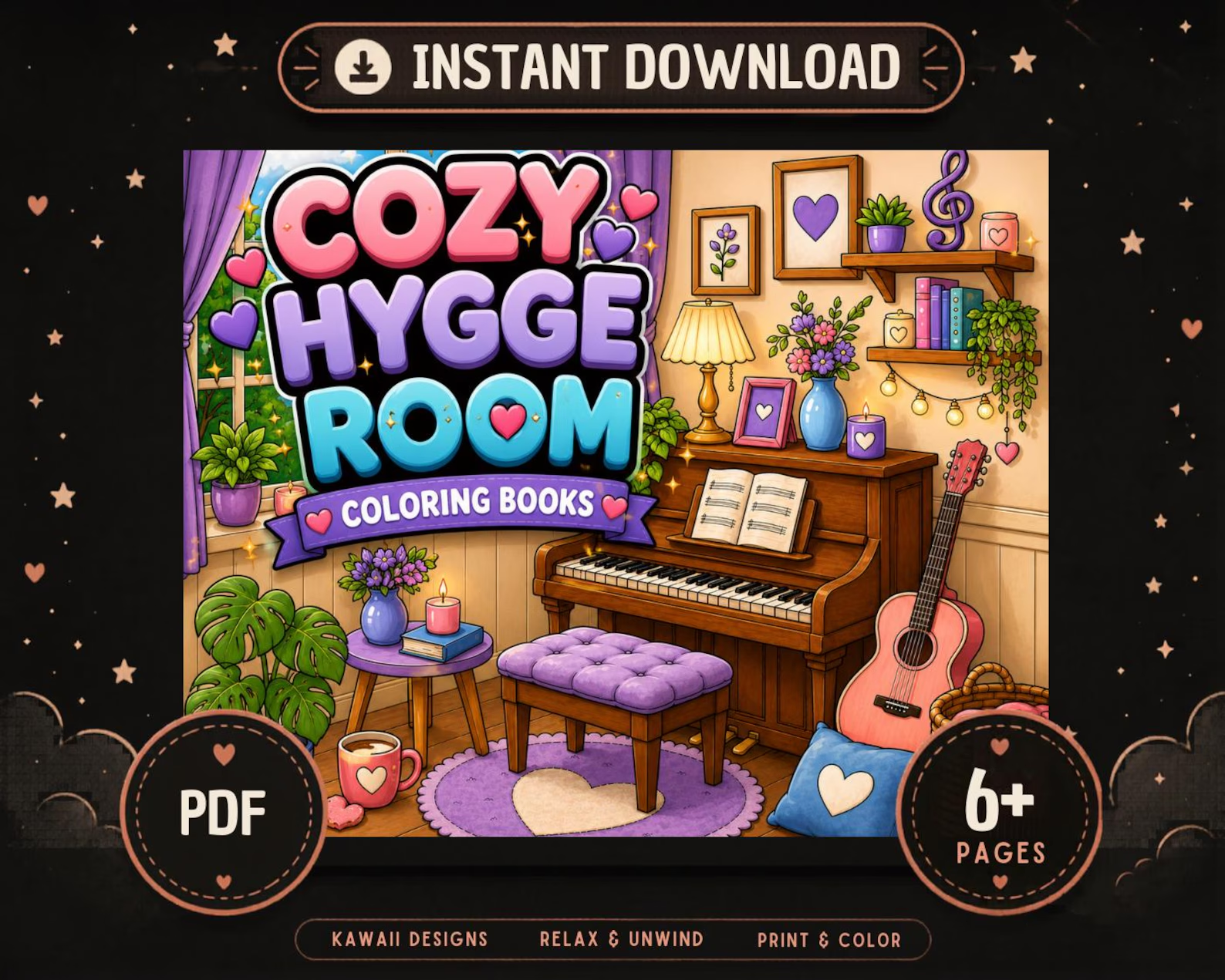
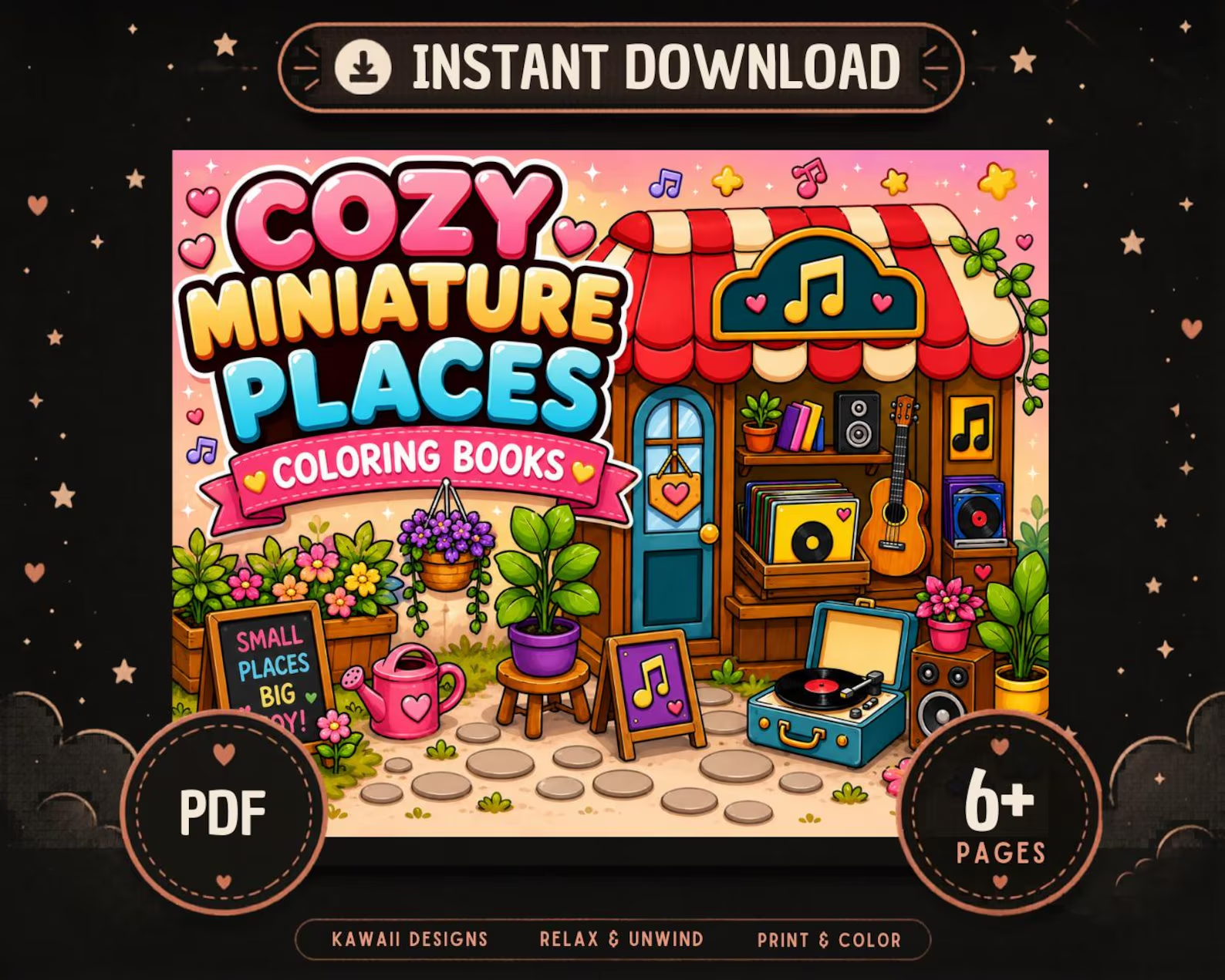
This is exactly why cozy and kawaii pages work so well for wind-downs. Cute, warm subjects add a layer of psychological comfort, and bold outlines keep the activity effortless.
How to Build a Coloring Wind-Down Routine
A wind-down ritual works when it is predictable and pleasant. Here is a sequence that reliably settles both adults and children.
| Time | Step | Why |
|---|---|---|
| 30 min before bed | Dim the lights, screens off | Starts the melatonin signal |
| 15-20 min | Color a relaxing page | Engages the relaxation response |
| 2 min | Look at your page, breathe slowly | Transitions from doing to being |
| Bed | Sleep without checking the phone | Protects the calm you built |
Best Subjects for a Calming Color Session
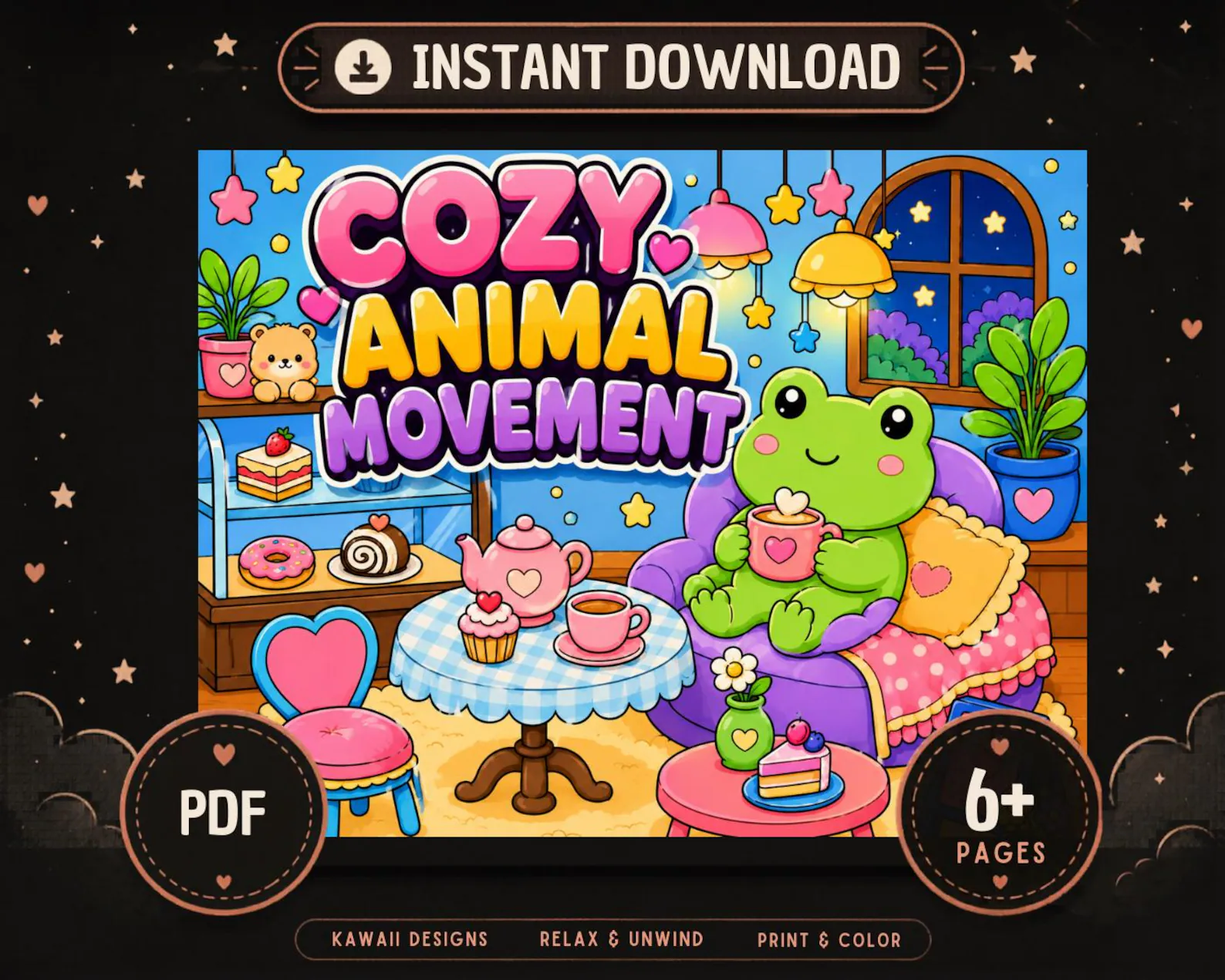
The subject matters. Gentle, cozy scenes — soft animals, cozy rooms, sweet treats — produce more calm than intense or busy imagery. The Cozy Animal Coloring Pages, Kawaii Hygge Scenes, Relaxing PDF (6+ Pages) set is designed for exactly this: six high-resolution kawaii animal pages with thick, beginner-friendly outlines that make coloring feel like stroking a sleeping cat.
Coloring Wind-Downs for Kids (a Sleep-Ready Swap)
For children, a coloring wind-down is a gentle way to step off the day's energy. It replaces the pre-bed tablet with a calming, hands-on activity that also builds fine motor skills — a double win. Keep the session short, quiet, and judgment-free, and follow it with the same bedtime story routine your child already loves.
A calm parent who colors alongside their child makes the ritual twice as effective. Shared quiet is one of the best things you can model.
Setting Up Your Coloring Wind-Down Corner
Make the ritual easy to start. Keep a printed page, a set of markers or pencils, and a hard surface in a basket near your favorite chair or the child's room. Rituals that take thirty seconds to begin actually happen; rituals that require hunting for supplies do not. Print pages ahead of time in bulk so there is always a fresh one waiting.
For more calming ideas and pages, visit the Coloring Books hub.
Frequently Asked Questions
Does coloring actually help you sleep?
Yes, when it replaces screen time and engages the relaxation response. Coloring lowers arousal and anxiety in a matter of minutes, and pairing it with dim light and quiet sets the conditions for falling asleep faster. It is the screen-free swap that matters as much as the coloring itself.
What kind of coloring pages are best for relaxation?
Pages with thick, forgiving lines, large spaces, and warm, cute subjects are most relaxing. Intricate mandalas can frustrate a tired brain. Cozy themes — animals, rooms, treats — add comfort and keep the session effortless.
How long should a coloring wind-down be?
Fifteen to thirty minutes is the sweet spot for adults; five to fifteen works for children. Longer is fine if it stays relaxing. Stop when you feel noticeably calmer, and go to bed on that feeling rather than coloring until you are bored.
Is coloring better for wind-down than reading?
Not necessarily better — both are excellent screen-free wind-downs. Coloring is especially good if you find it hard to concentrate on reading when stressed. Many people alternate: coloring one night, reading the next.
Can printable coloring pages be used every night?
Yes — that is their superpower. Printables are unlimited, so you can print a fresh cozy page every single night, or re-color favorites. High-resolution pages keep their crisp lines even after many prints, and printing in bulk makes the nightly ritual effortless.
The Bottom Line
Relaxing coloring is one of the simplest, most reliable wind-down tools you can own: screen-free, cheap, and scientifically sound. Build it into the last hour of your day, choose pages that are warm and easy, and let the repetition do the calming.
The Cozy Animal Coloring Pages, Kawaii Hygge Scenes, Relaxing PDF (6+ Pages) set gives you six thick-lined kawaii animal pages made for exactly this purpose — print a fresh one tonight and feel the difference in your sleep.
Related Reads
Keep exploring with these helpful guides: